PVD Technology · 18 July 2026 · 7 min read
How PVD coating actually works
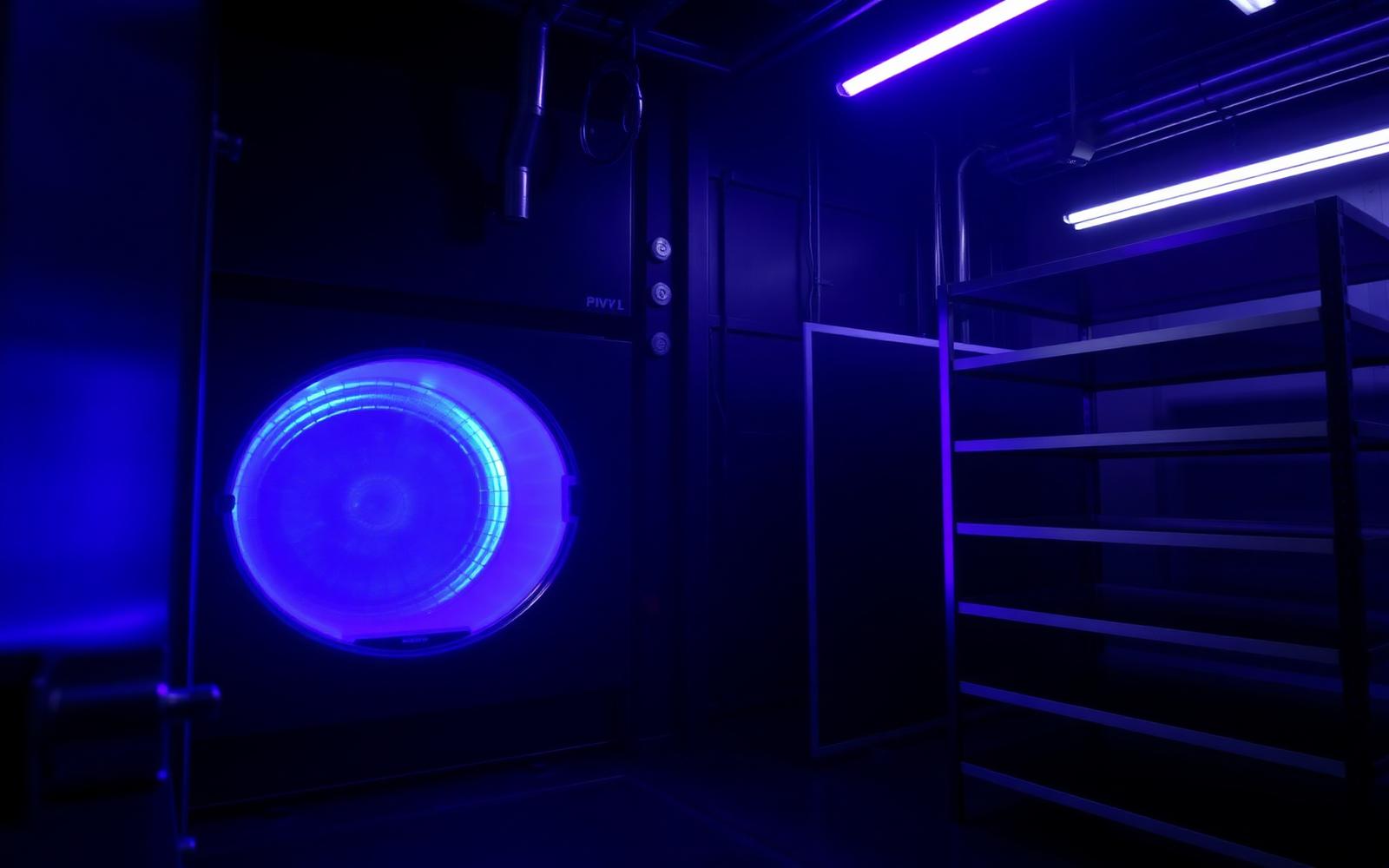
PVD is often described as a colour. It is closer to a physics process that happens to produce colour: metal is vaporised in a vacuum and re-condenses on a surface as a layer a few microns thick.
Inside the chamber
The panel goes into a sealed chamber and the air is pumped out. Without air, vaporised metal travels in straight lines and lands cleanly instead of oxidising on the way.
A target metal — typically titanium or zirconium — is bombarded until it releases ions. Those ions accelerate toward the panel, which is held at an opposing charge.
PVD does not hide a surface. It commits to it.
Where the colour comes from
Colour is set by the reactive gas introduced during deposition and by the deposition time. Nitrogen produces the gold family, acetylene the darks, and controlled mixes produce bronze, champagne and rose tones.
Because the colour is a compound rather than a pigment, it cannot fade in UV the way a paint or a lacquer does.
- Layer thickness
- 0.3–4 microns
- Process temperature
- Below tempering range
- Bond
- Atomic, not adhesive
Why the substrate matters more than the colour
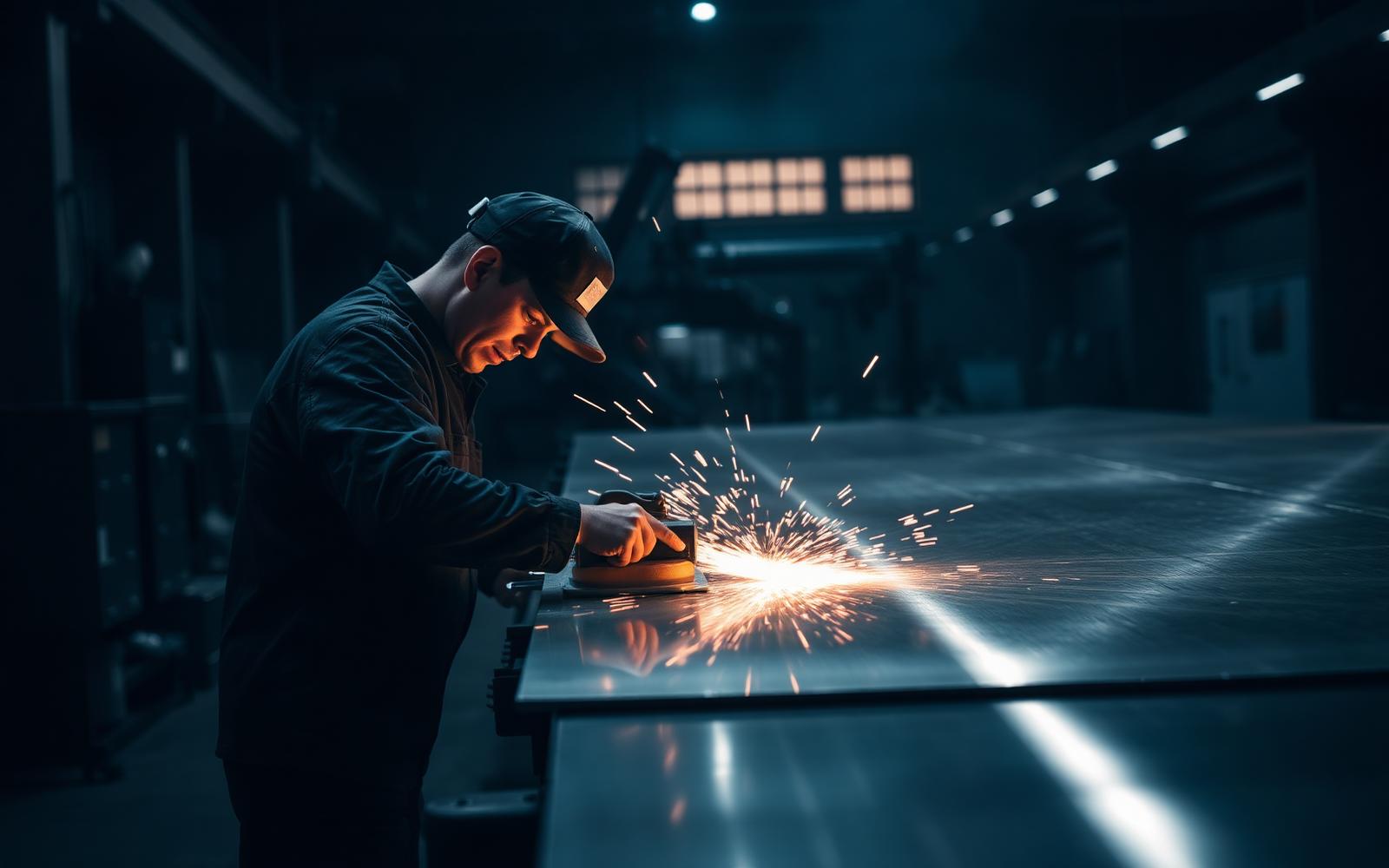
The coating follows the surface exactly. A scratch, a weld line or an uneven brush will still be visible after coating — often more visible, because the colour catches light differently.
This is why the preparation line takes longer than the coating run on most projects.
If you remember one thing: specify the surface first, the colour second. The finish you receive is the surface you prepared, wearing a colour.