Materials · 19 March 2026 · 6 min read
Custom metal fabrication, explained
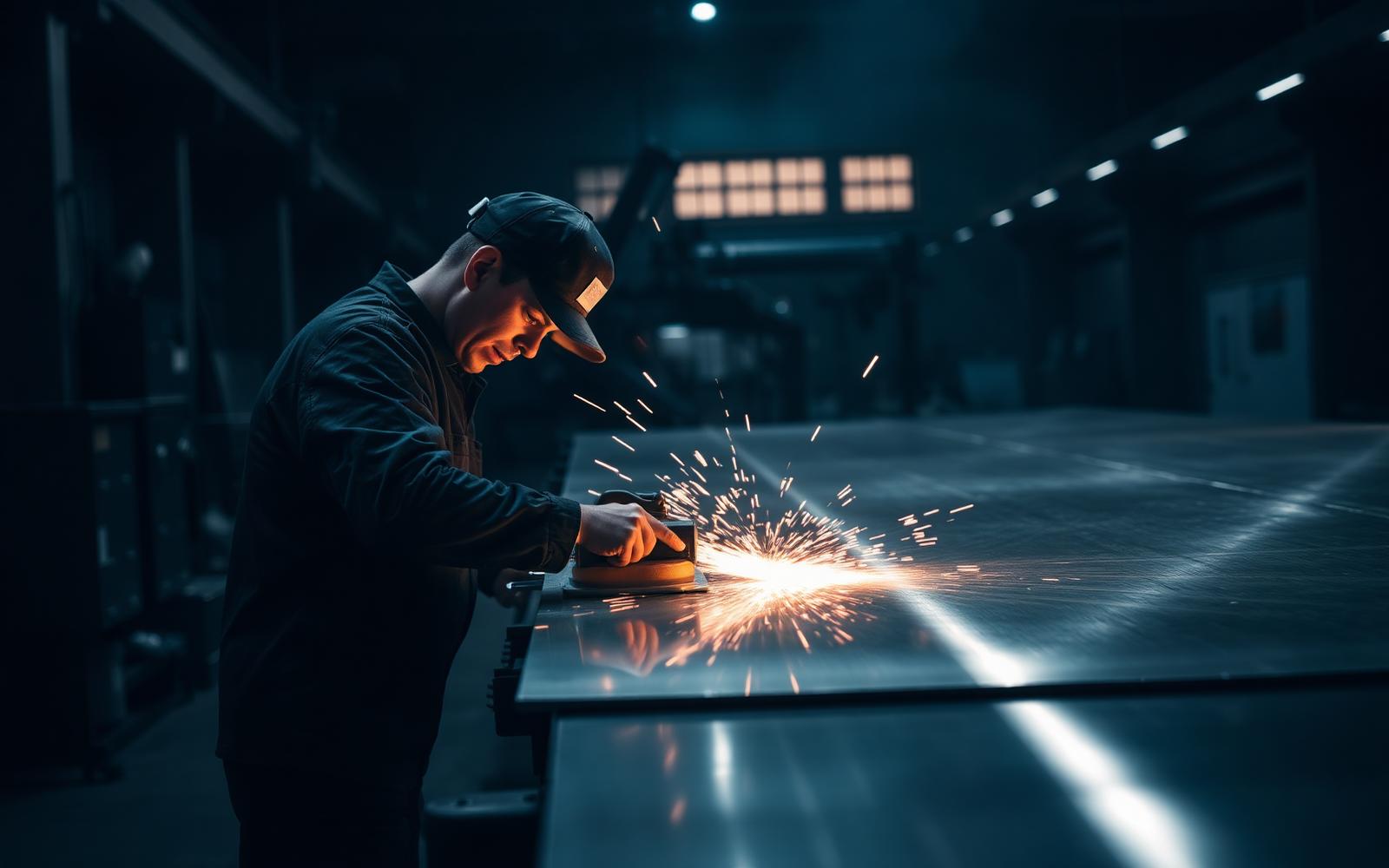
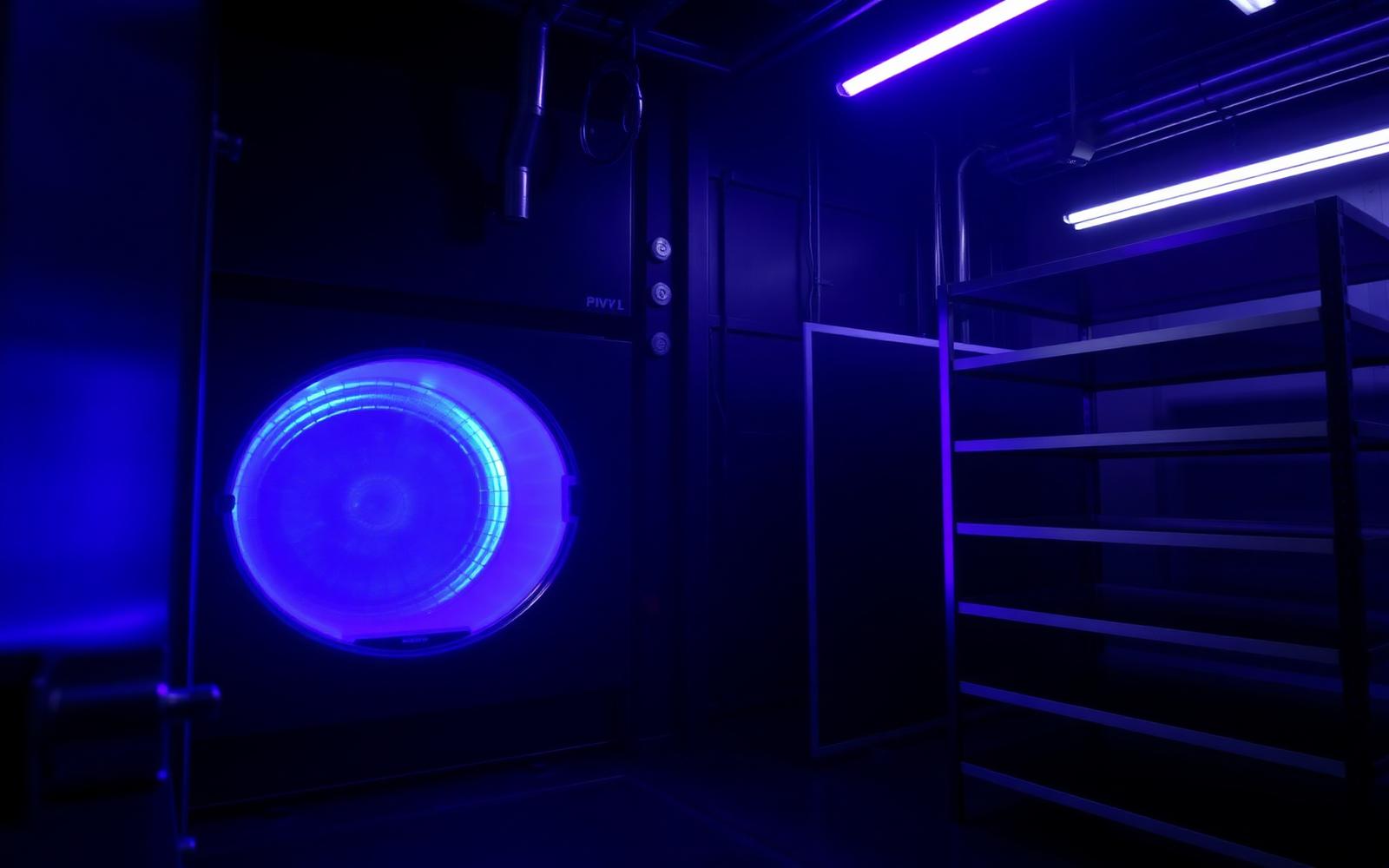
Bespoke metal is a negotiation between what you draw and what a press-brake, a welder and a vacuum chamber can physically do.
The three limits
Sheet size limits the seamless plane. Press-brake length limits the fold. Chamber size limits the coated assembly.
Knowing all three early prevents a design that has to be re-drawn after tender.
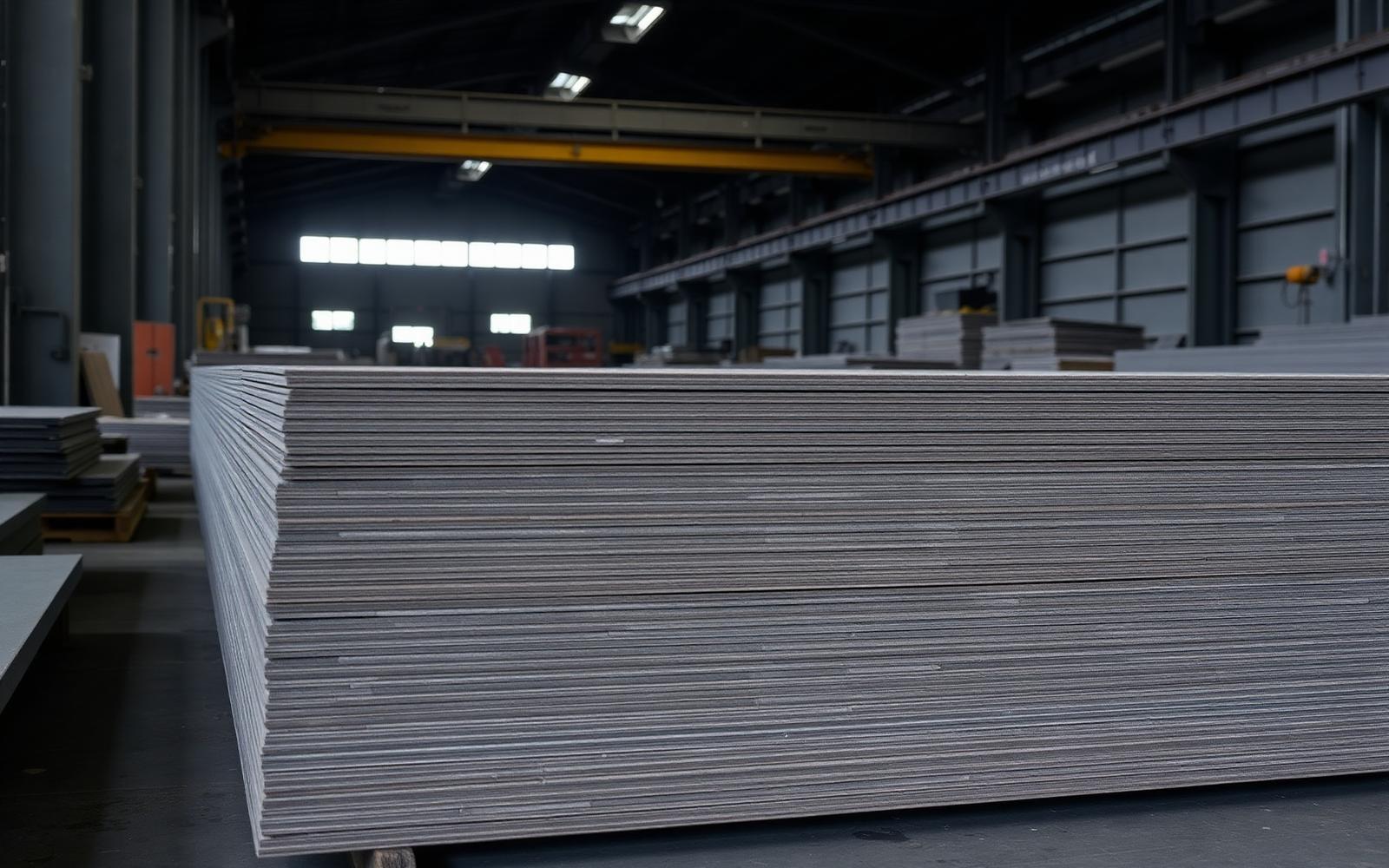
Design to the chamber and the press-brake, and nothing gets value-engineered later.
Coat before or after assembly
Coating after fabrication gives seamless, joint-free colour but caps the assembly size at the chamber.
Coating before assembly allows larger objects but every joint must be detailed so cut edges are concealed.
Tolerance in the real world
Metal is made to millimetres; buildings are built to centimetres. Adjustable fixings absorb the difference.
Every bespoke element should carry a stated site tolerance on the shop drawing.
- Typical site tolerance
- ±2 mm to survey grid
- Shop tolerance
- ±0.5 mm
Bring fabrication into the drawing stage. The constraints are few, they are knowable, and they make better details.